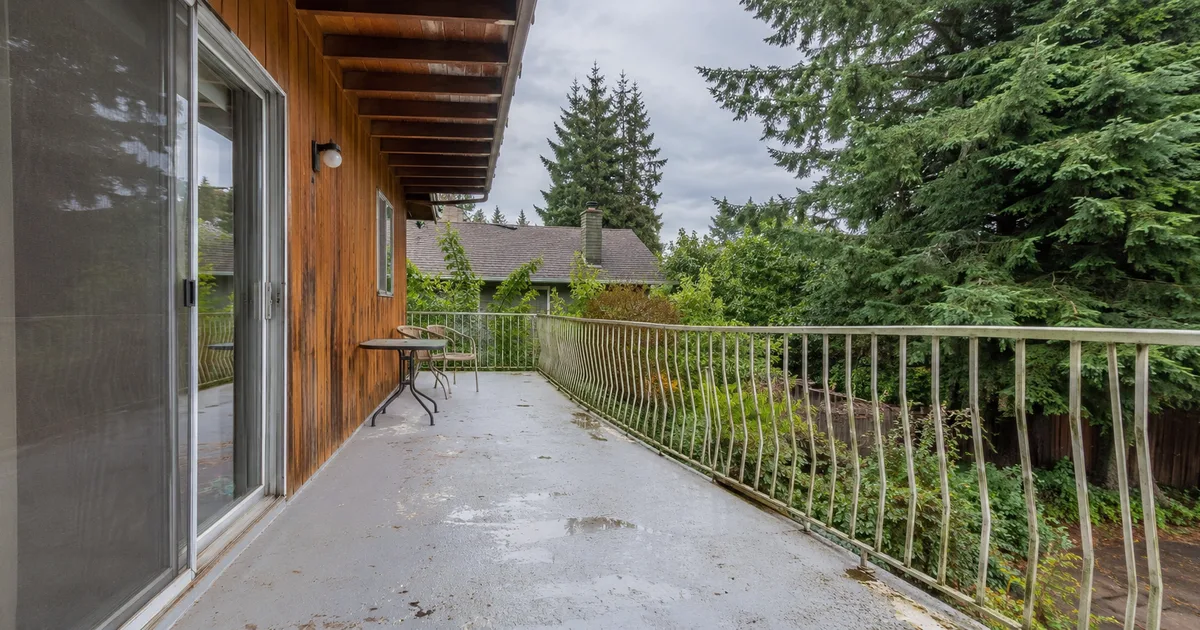
Separate safety, insurance and legal responsibility
An unsafe railing deserves attention, but “it automatically voids your insurance” is not a responsible general claim. Building approval, physical safety, insurance coverage and civil liability are different questions. A railing fabricator cannot determine an insurer’s response or a court’s decision.
Start by protecting people: if a guard is missing, loose, visibly decayed or moving at its anchors, restrict access to the exposed area and arrange a qualified assessment. Do not lean on it to test capacity, remove it without temporary protection, or tighten cable to compensate for failing posts.
Official sources checked September 24, 2026. This is general information, not legal or insurance advice. Ask your insurer about the actual policy, the building authority about approvals, and a lawyer about a particular claim or disclosure obligation.
What the BC legislation actually addresses
The Occupiers Liability Act identifies occupiers by possession or control, allows more than one occupier, and addresses reasonable care in section 3. Section 6 deals with certain tenancy and landlord repair circumstances. The existence of a non-compliant guard does not by itself decide negligence, causation, damages or insurance coverage.
For an existing building, establish the permit history and applicable code and existing-building provisions. An old railing is not automatically exempt merely because it has been there for years. Conversely, a difference from a new-construction detail does not establish the legal status of an existing assembly without that context. Start with the City’s building-permit guidance and the applicable existing-building provisions, including Vancouver Part 11 where relevant.
What to ask your insurer
Describe the actual condition and planned work, including structural changes, permit status and any professional assessment. Ask which policy terms concern material changes, repairs, exclusions and liability coverage, and what records are needed. Keep its written response. Do not rely on an online article saying that every claim will be denied—or that an unrelated claim is guaranteed to be paid.
Repairing a hazard and retaining documentation can support sound risk management. Neither a new railing, an engineer’s drawing nor a passed inspection eliminates every possible liability or guarantees insurance coverage.
Selling a property: the disclosure distinction
BCFSA’s Material Latent Defects guidance distinguishes a seller’s common-law duties from the broader duties of a real estate licensee. The latter include missing appropriate municipal permits. A Property Disclosure Statement is voluntary; declining to complete it does not remove applicable disclosure obligations. Ask your lawyer and licensee about the actual defect, what is known and how to disclose it.
A practical documentation path
- Record the location and visible condition without load-testing or dismantling the guard.
- Locate the original permit, drawings and any later repair records; obtain the building department’s direction for the proposed scope.
- Have the whole assembly assessed: posts, infill, top rail, anchors, backing, waterproofing and supporting structure—not just the visible panels.
- Confirm strata and heritage approvals separately where applicable, and tell your insurer about material work or known hazards as required by your policy.
- Keep approved drawings, product specifications, required field-review records and inspection results. Establish maintenance instructions and follow up on unresolved deficiencies.
For removal or replacement, worker protection is a separate obligation. WorkSafeBC Part 11 addresses fall protection during work; its thresholds are not the finished residential-guard thresholds.
Frequently asked questions
Does a non-compliant railing void my home insurance in BC?
There is no reliable universal yes or no. Coverage, exclusions, disclosure obligations and the facts of a claim must be checked against your actual policy. Obtain your insurer’s written position; a fabricator cannot decide coverage or promise that an unrelated claim will be paid.
Can I be sued if a guest falls off my deck?
An injury can lead to a claim. Section 3 of BC’s Occupiers Liability Act addresses reasonable care for people and property using the premises. Whether someone is liable depends on the facts and applicable law; a code defect is not an automatic court judgment.
Does unpermitted railing work affect my insurance?
It may affect a coverage or disclosure assessment, but the result depends on your policy and circumstances. Tell your insurer about the actual work, ask what documentation it needs and obtain project-specific advice. A permit is not an insurance guarantee.
Do I have to disclose an unpermitted railing when I sell my home in BC?
BCFSA distinguishes sellers’ common-law duties concerning latent defects from real estate licensees’ broader disclosure duties, which include missing appropriate permits. A Property Disclosure Statement is voluntary, but that does not remove applicable disclosure duties. Discuss the actual railing and permit history with your lawyer and licensee.
I rent out my property — am I liable for the railing, or is the tenant?
Responsibility can depend on control of the premises, the tenancy and repair obligations. Sections 1 and 6 of the Occupiers Liability Act are relevant. Do not assume that a tenant’s presence transfers every structural safety responsibility away from the owner.
My railing was legal when it was built — is it still okay?
Age does not establish safety or an automatic grandfathered exemption. Establish the approved history, present condition, proposed scope and applicable existing-building provisions with the building authority. Unsafe looseness, decay or missing guards need attention regardless of an old permit.
How do I know if my railing meets BC code?
Identify the jurisdiction, applicable edition, building classification and approved project scope. Then assess guard height, openings, climbability, handrails, loads, connections and special pool/exit conditions against those requirements. A professional assessment and municipal direction may be needed; a photograph or generic checklist cannot certify the assembly.
Read the official-source code guide and permit planning guide. For fabrication planning, explore deck railings, balcony railings or contact LOUEI.