You said
“I have a deck and want to keep the view.”
Recommended starting paths
- Glass Railing
- Cable Railing
Why
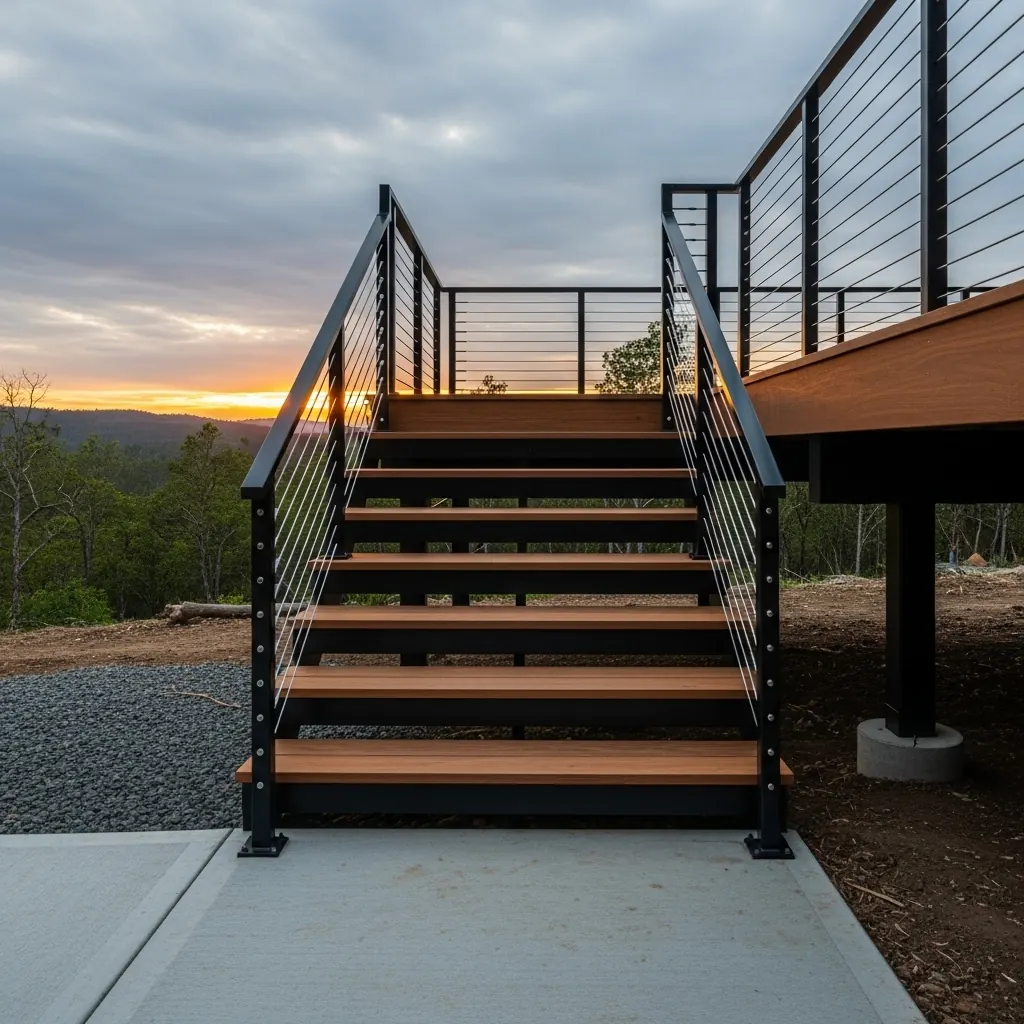
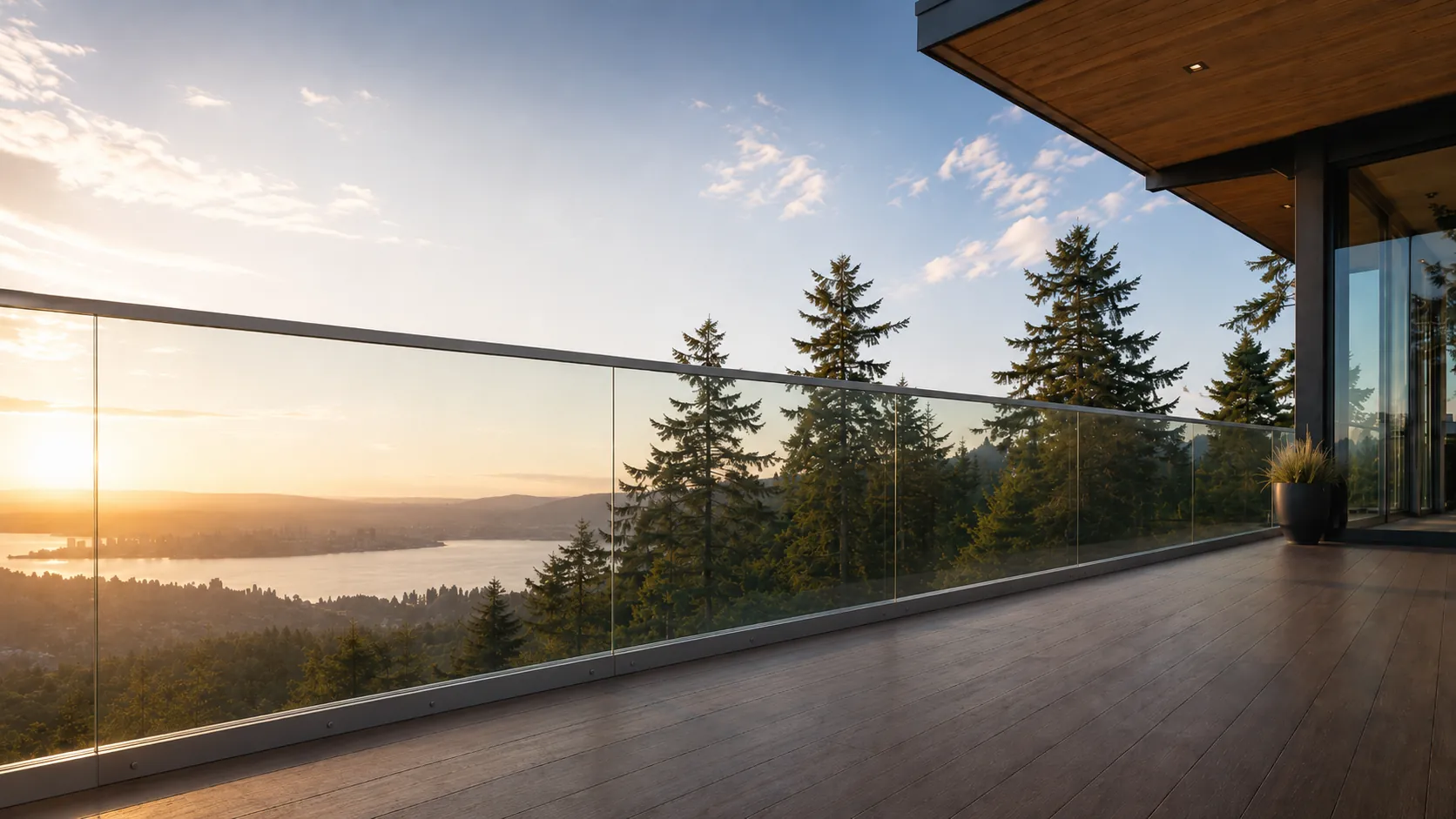
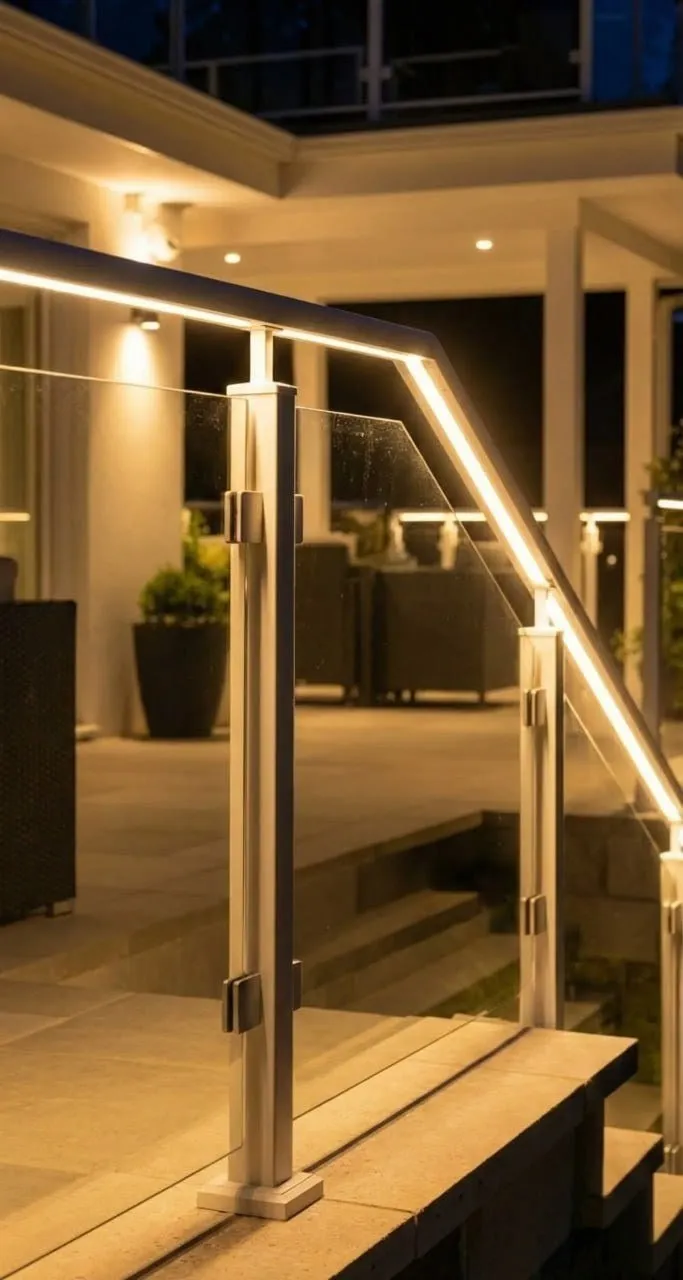
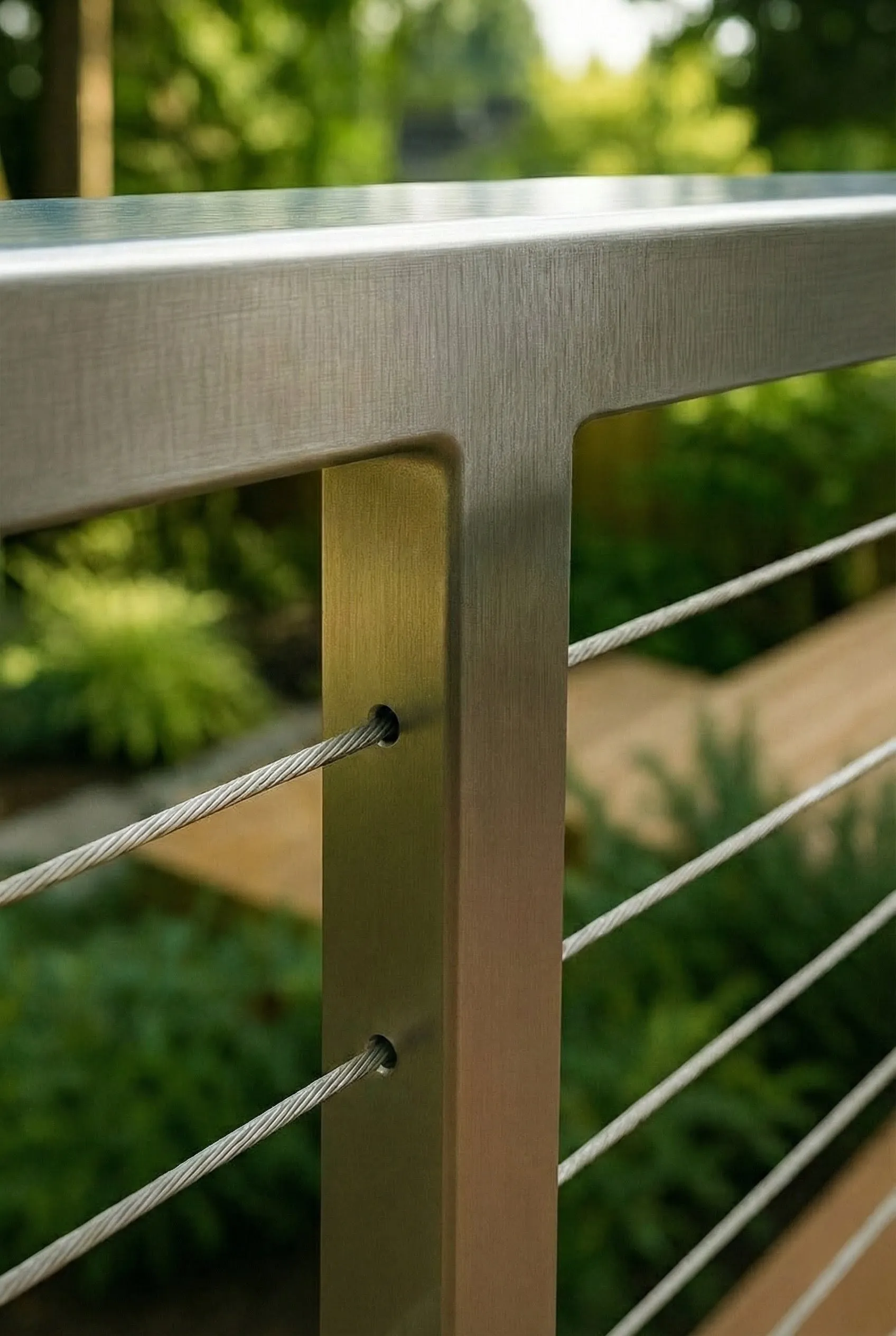
Glass gives the clearest view. Cable keeps the view open with less visual weight and more airflow.
Custom railing systems for decks, stairs, balconies, commercial sites, and strata work across BC. Choose the right path and request a local quote.
Most clients do not start with glass, cable, or picket. They start with a space: a deck, balcony, stair run, interior opening, exterior guard, commercial site, or strata replacement. Start there. LOUEI helps match the system.
Pick the description that matches your project. LOUEI uses your situation — not a system name — to recommend the right starting point.
You said
“I have a deck and want to keep the view.”
Recommended starting paths
Why
Glass gives the clearest view. Cable keeps the view open with less visual weight and more airflow.
You said
“I have a balcony or upper-level edge.”
Recommended starting paths
Why
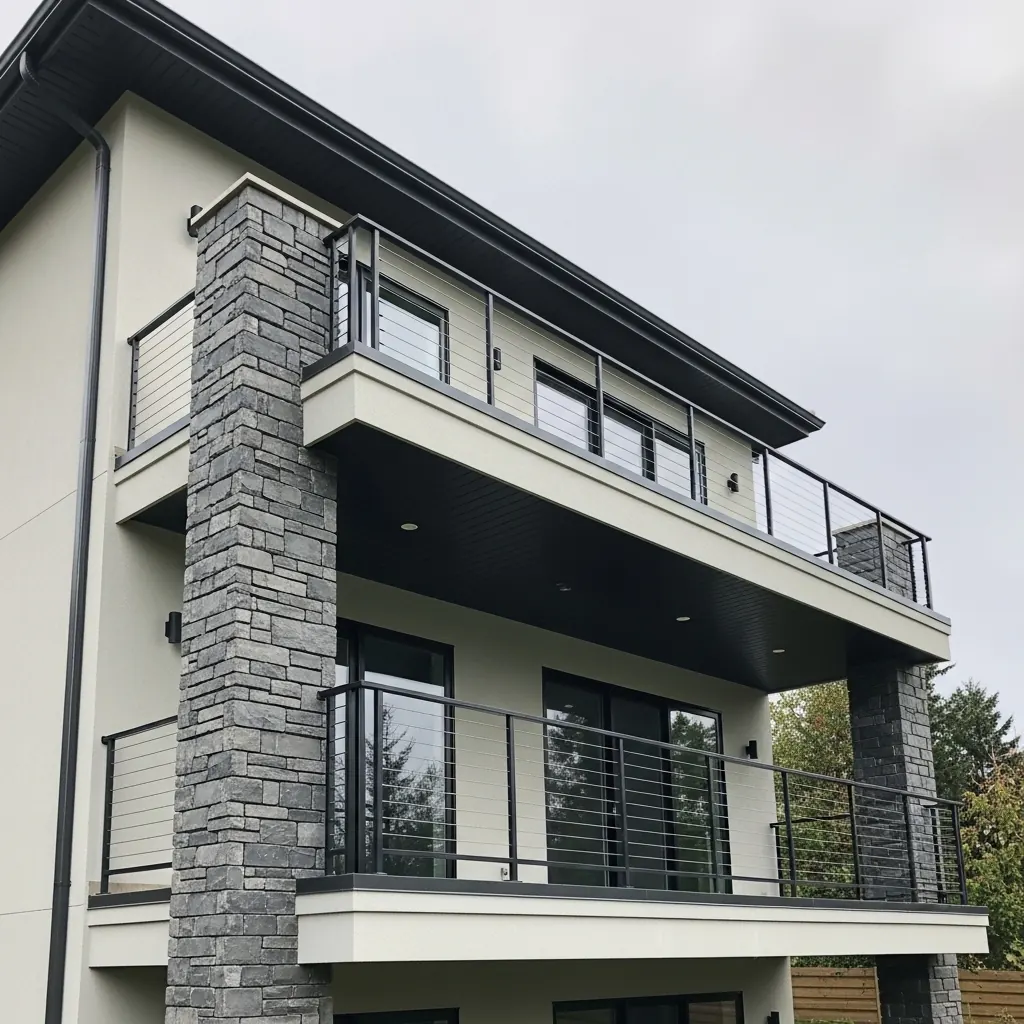
Glass is often chosen for view and a clean edge. Picket or aluminum may be better for repeatability, durability, or strata replacement.
You said
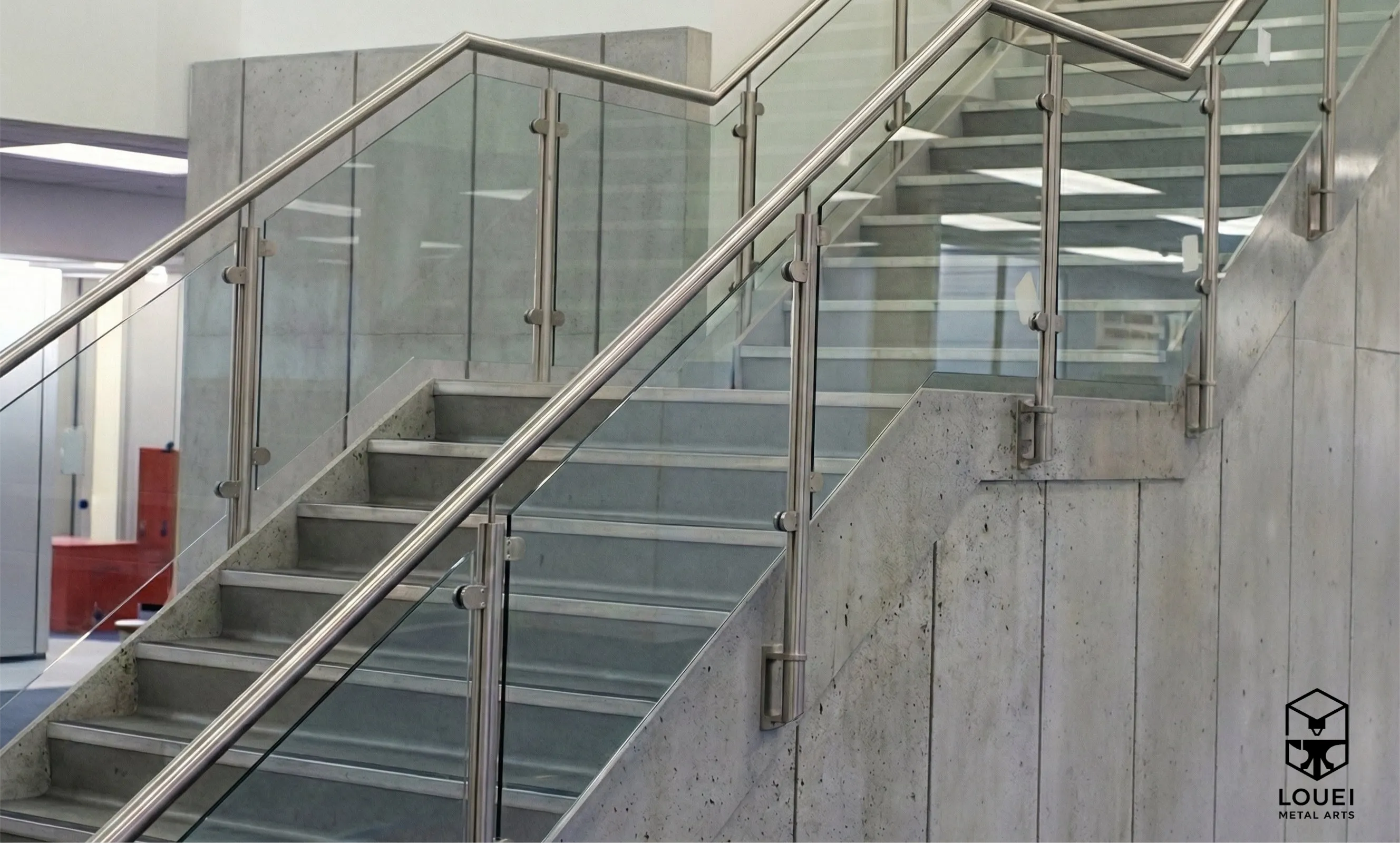
“I have stairs.”
Recommended starting paths
Why
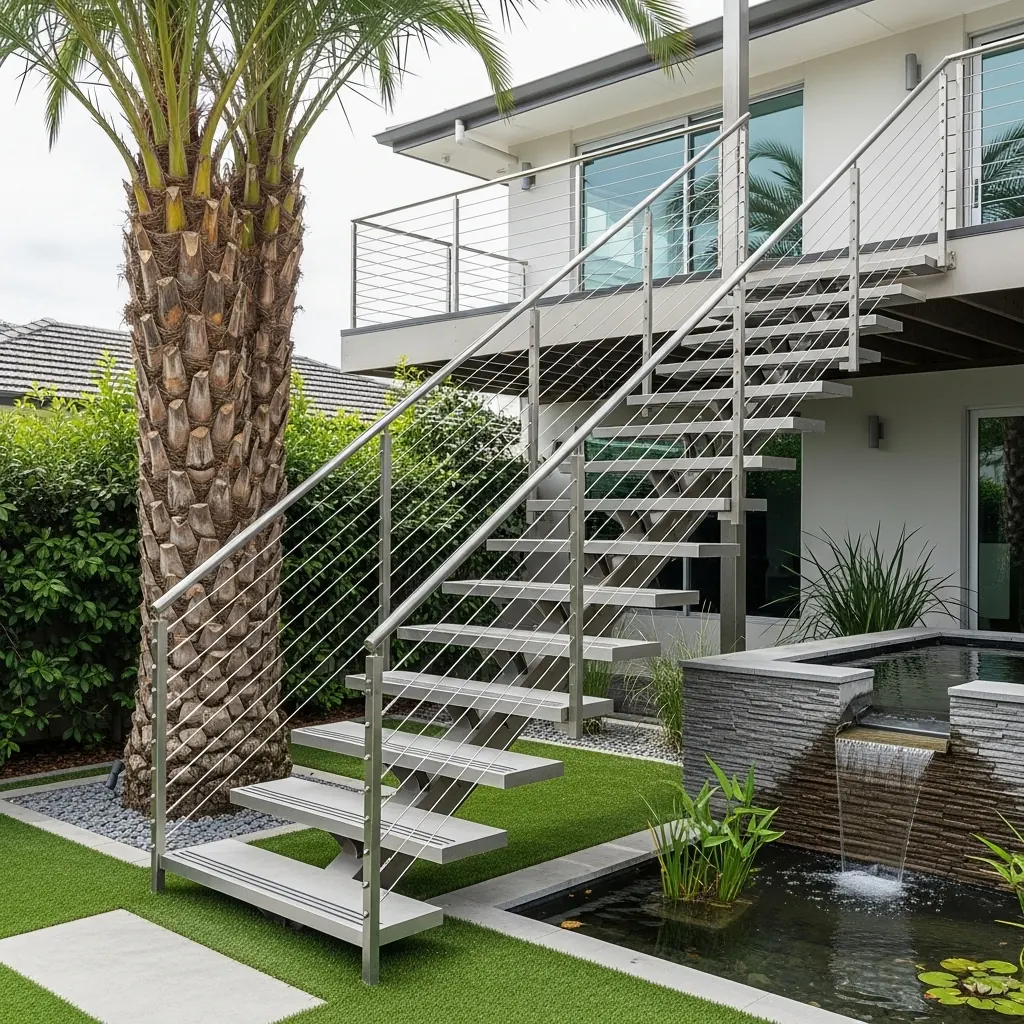
Stairs are driven by geometry: pitch, rise/run, landings, attachment points, and whether the rail is a guard, handrail, or both.
You said
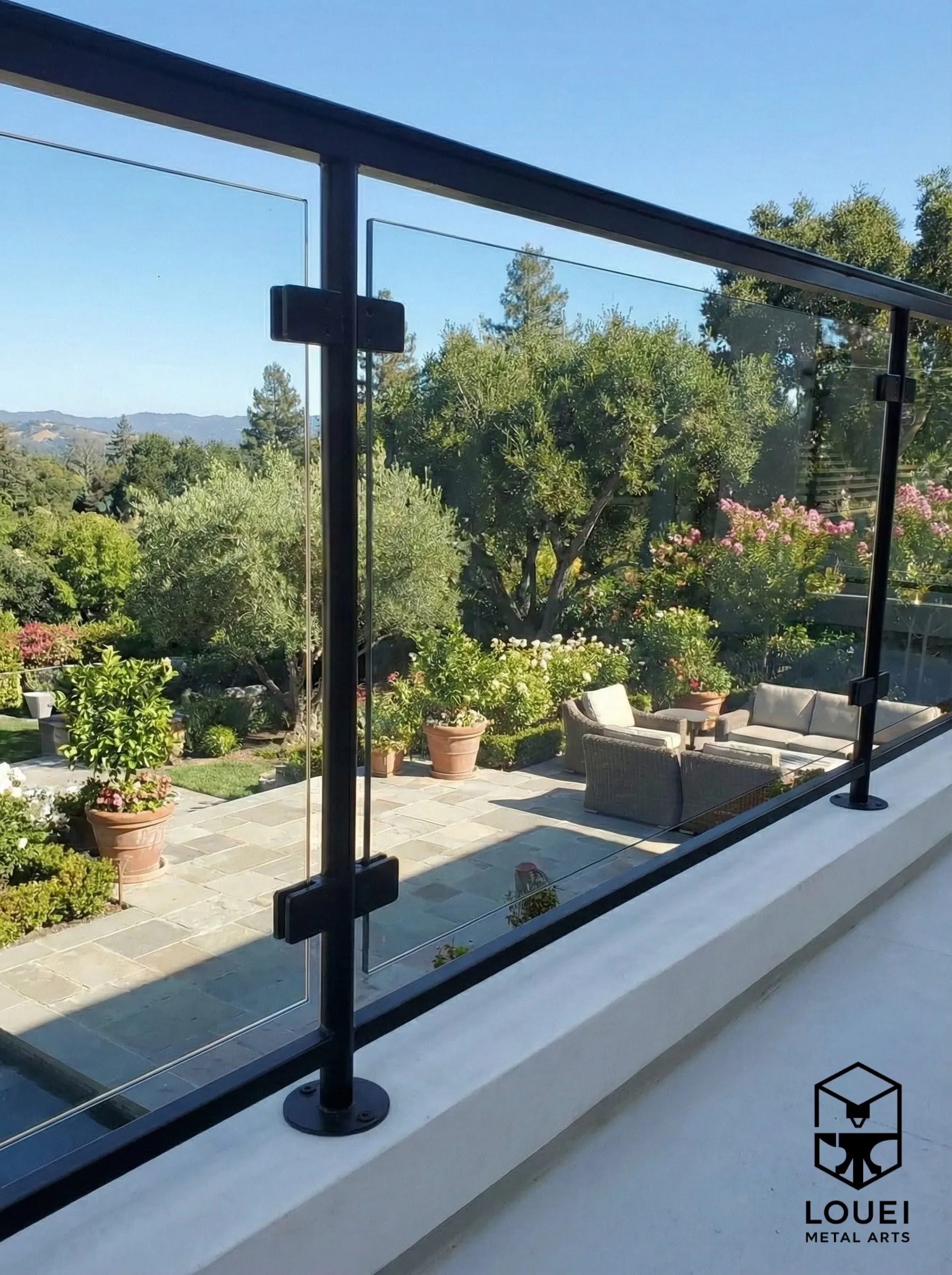
“I need something outside.”
Recommended starting paths
Why
Exterior work is driven by weather, anchoring, finish, exposure, and long-term durability.
You said
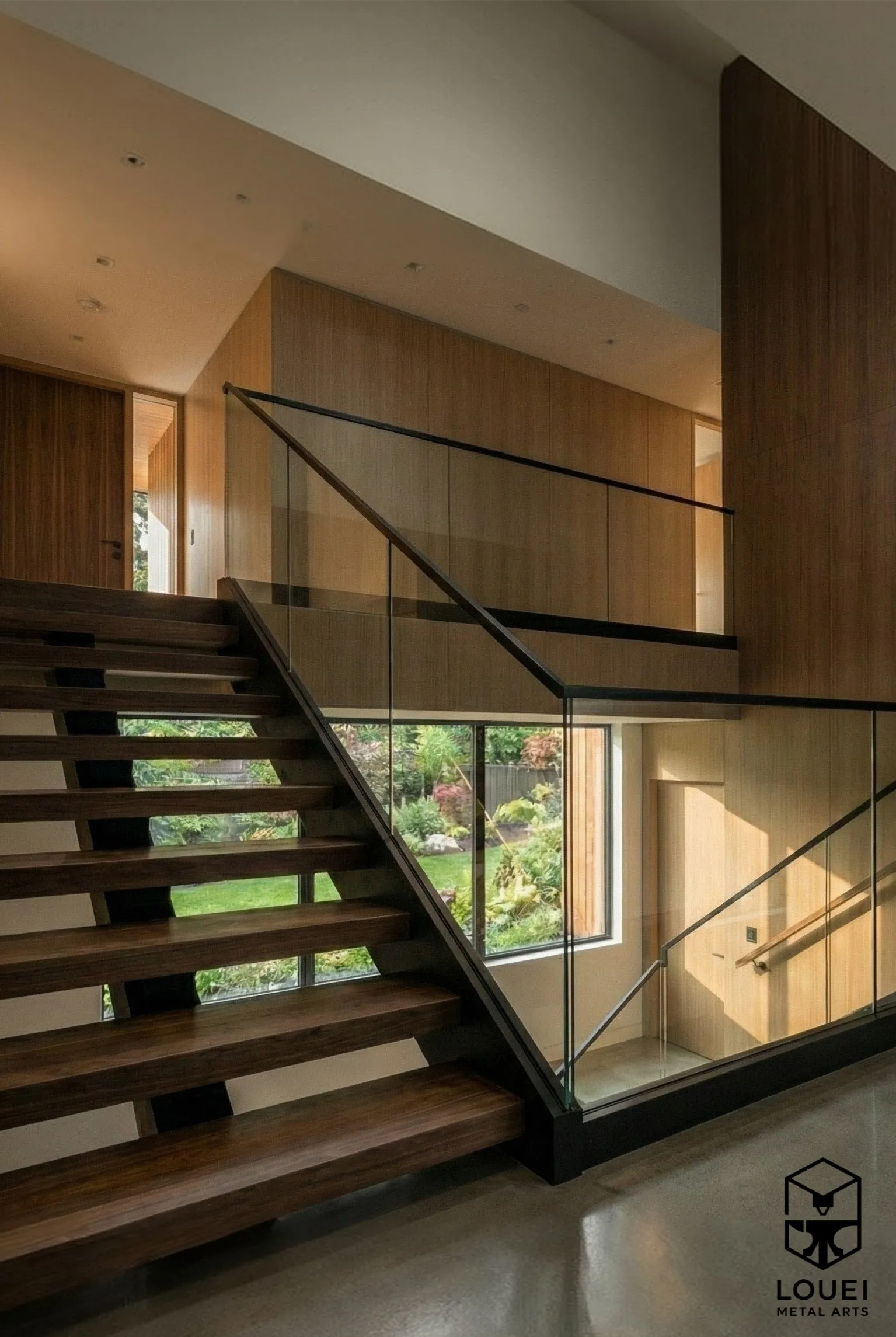
“I want it to look right inside the home.”
Recommended starting paths
Why
Interior railing reads from many angles — sightlines, light flow, and visual weight shape the system before glass, metal, or picket is chosen.
You said
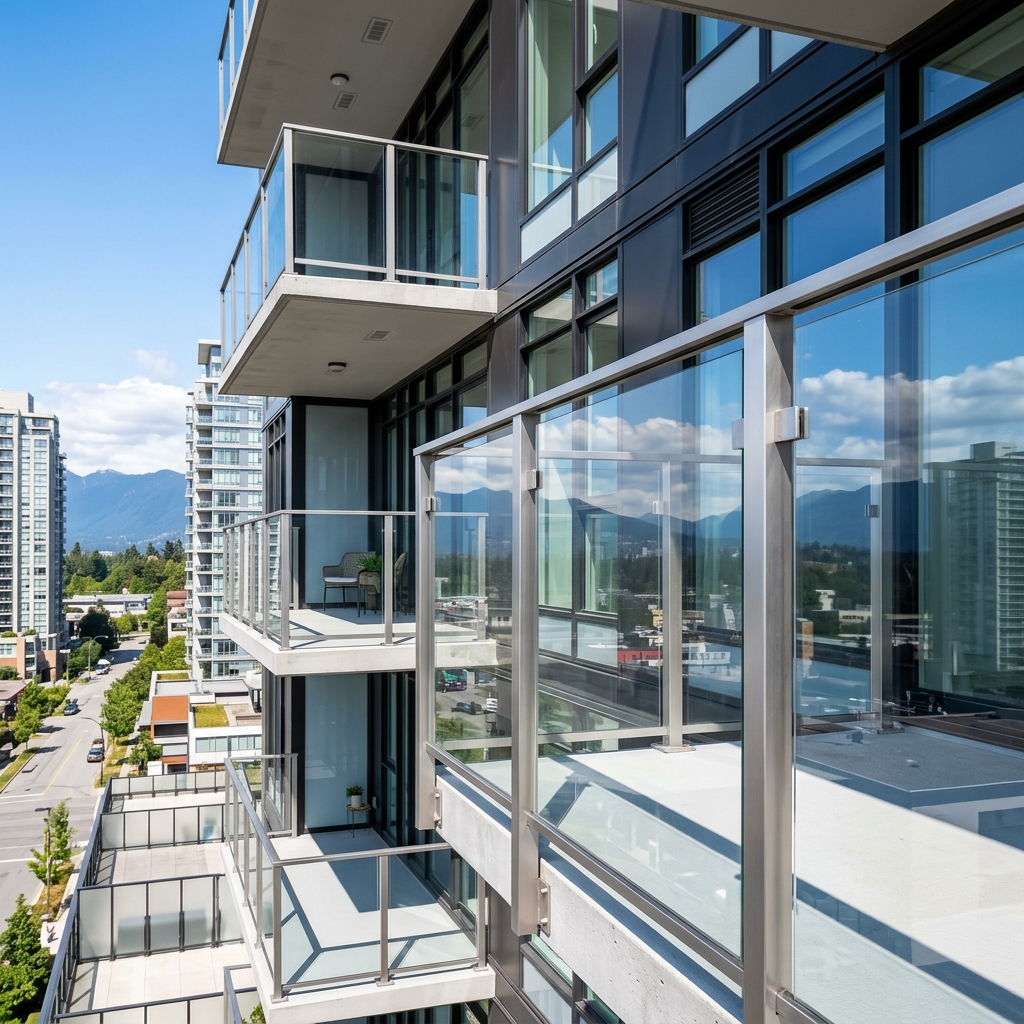
“This is for a building, business, or strata.”
Recommended starting paths
Why
These projects need coordination, repeatable details, access planning, documentation, timelines, and consistency across units.
Four factors decide most projects. Knowing which one matters most to you is usually enough to start.
Decision factor
Points toward · Glass / Cable
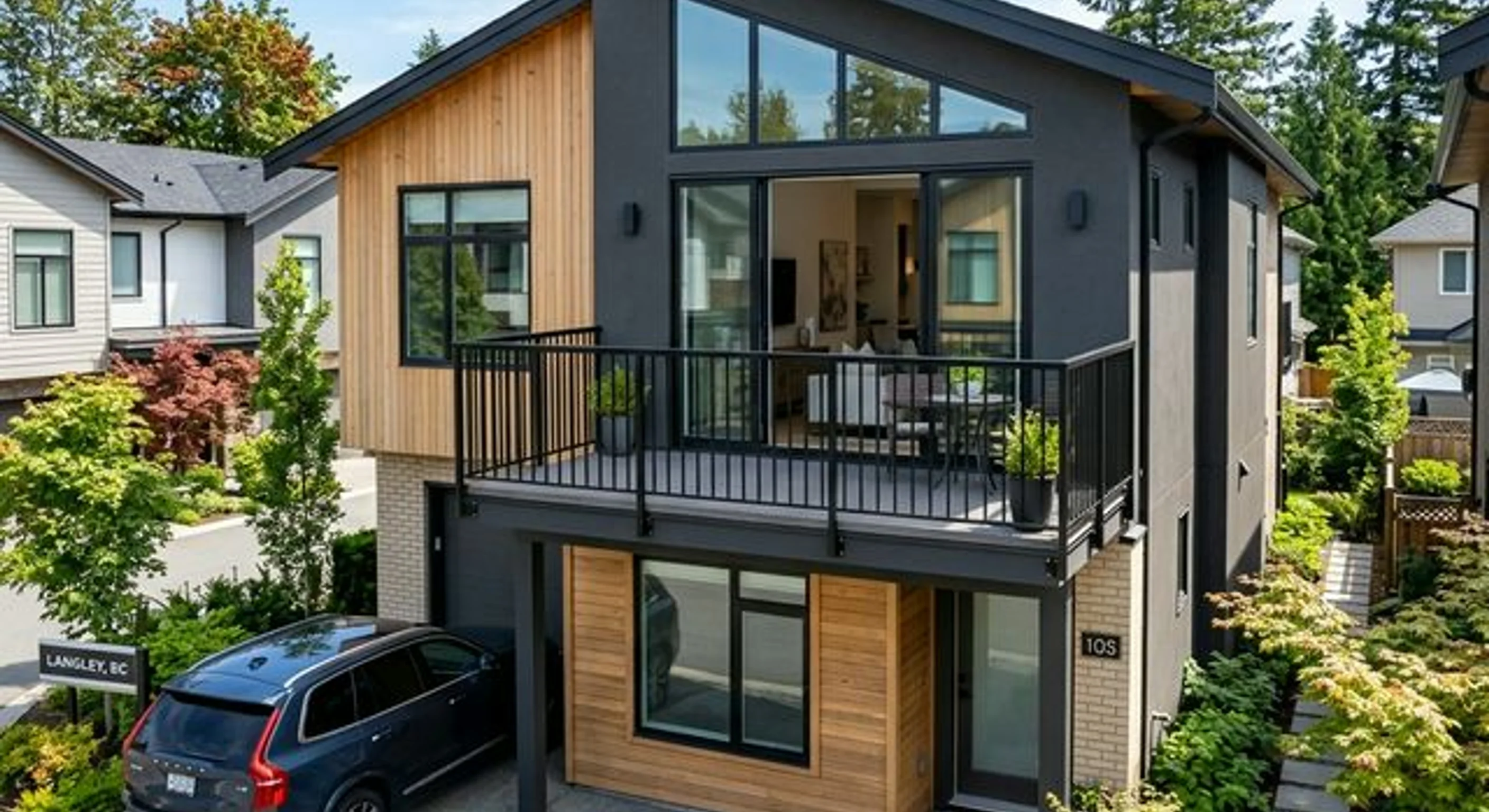
If preserving the view is the main priority, start with glass or cable. Glass gives the clearest sightline; cable keeps it open with a lighter visual line and airflow.
Decision factor
Points toward · Picket / Aluminum / Powder-coated steel
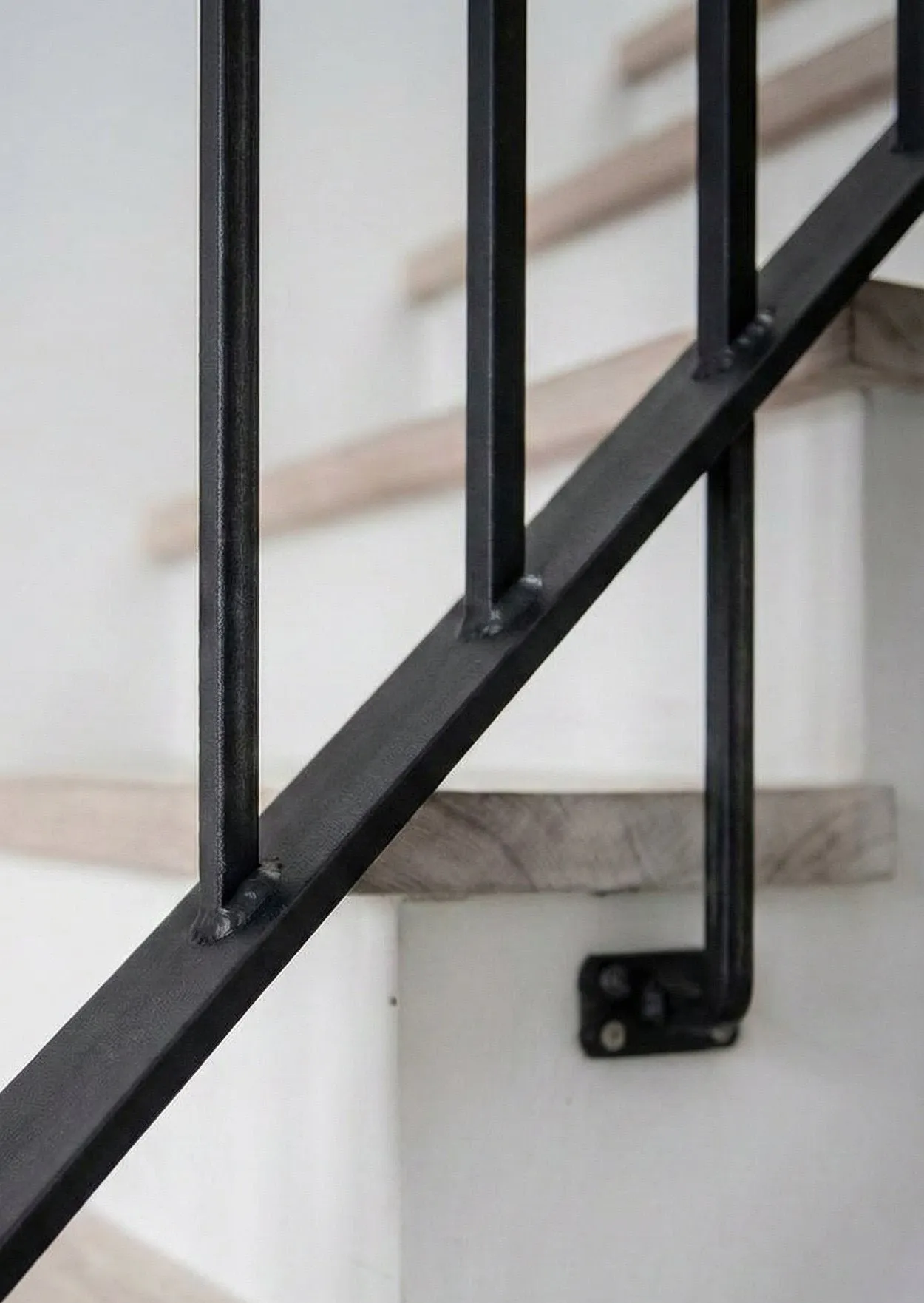
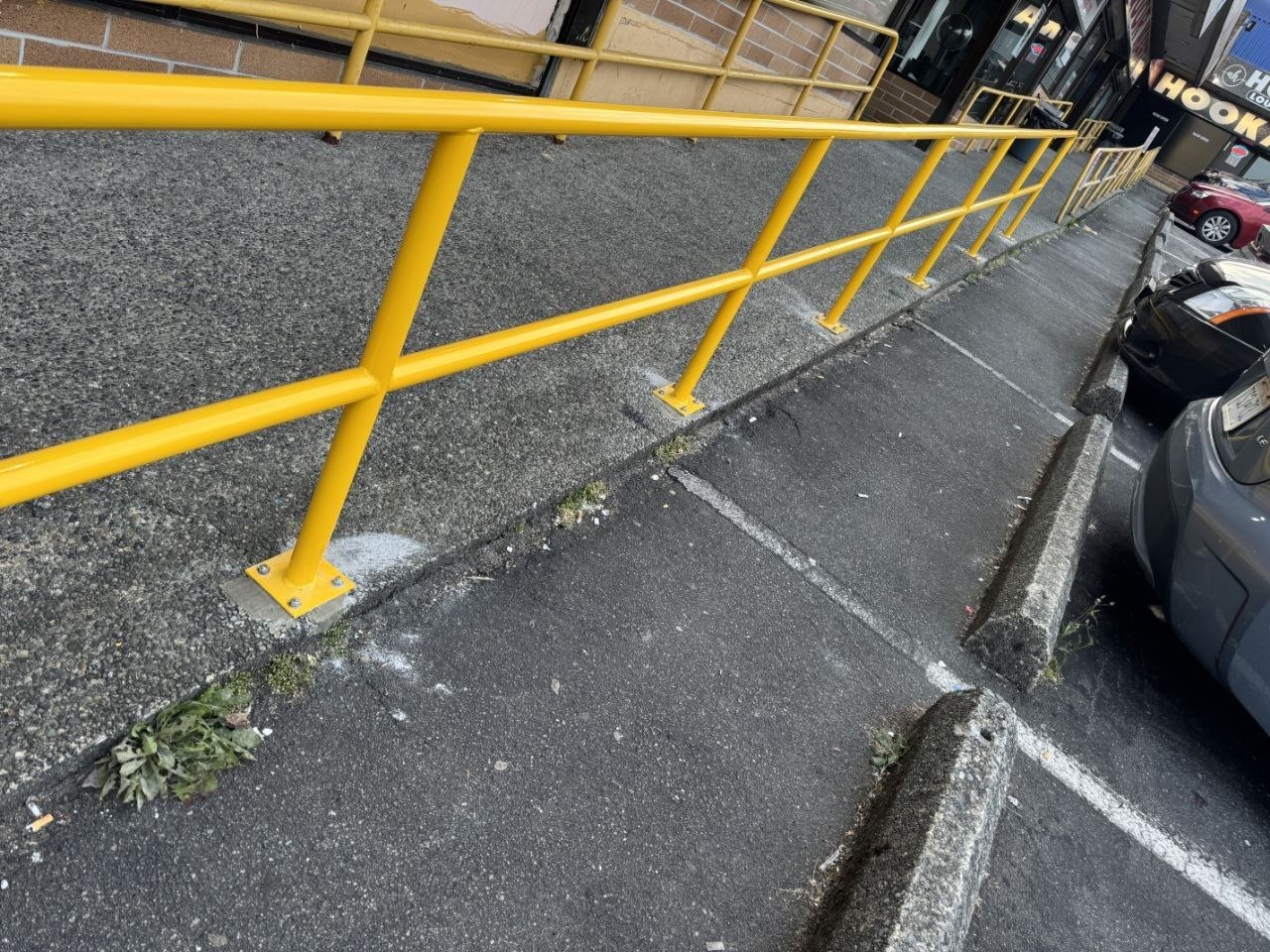
If the project needs a strong, practical, lower-maintenance guard, start with picket, aluminum, or powder-coated steel. Welded steel and proper finish carry the long-term load.
Decision factor
Points toward · Stair railing / Custom metal
If the railing follows stairs, landings, turns, or unusual edges, start with stair railing or custom metalwork. Geometry decides the system before style does.
Decision factor
Points toward · Commercial / Strata
If there are multiple units, public-facing areas, or property management involved, start with commercial or strata railings. Coordination, repeatability, and documentation drive the build.
Builders, property managers, strata councils, and larger scopes need consistency, access planning, and the documentation an inspector and a council expect.
Use when
What matters
Use when
What matters
If you already know the railing type you want, each system has its own page with detail, project work, and engineering notes.
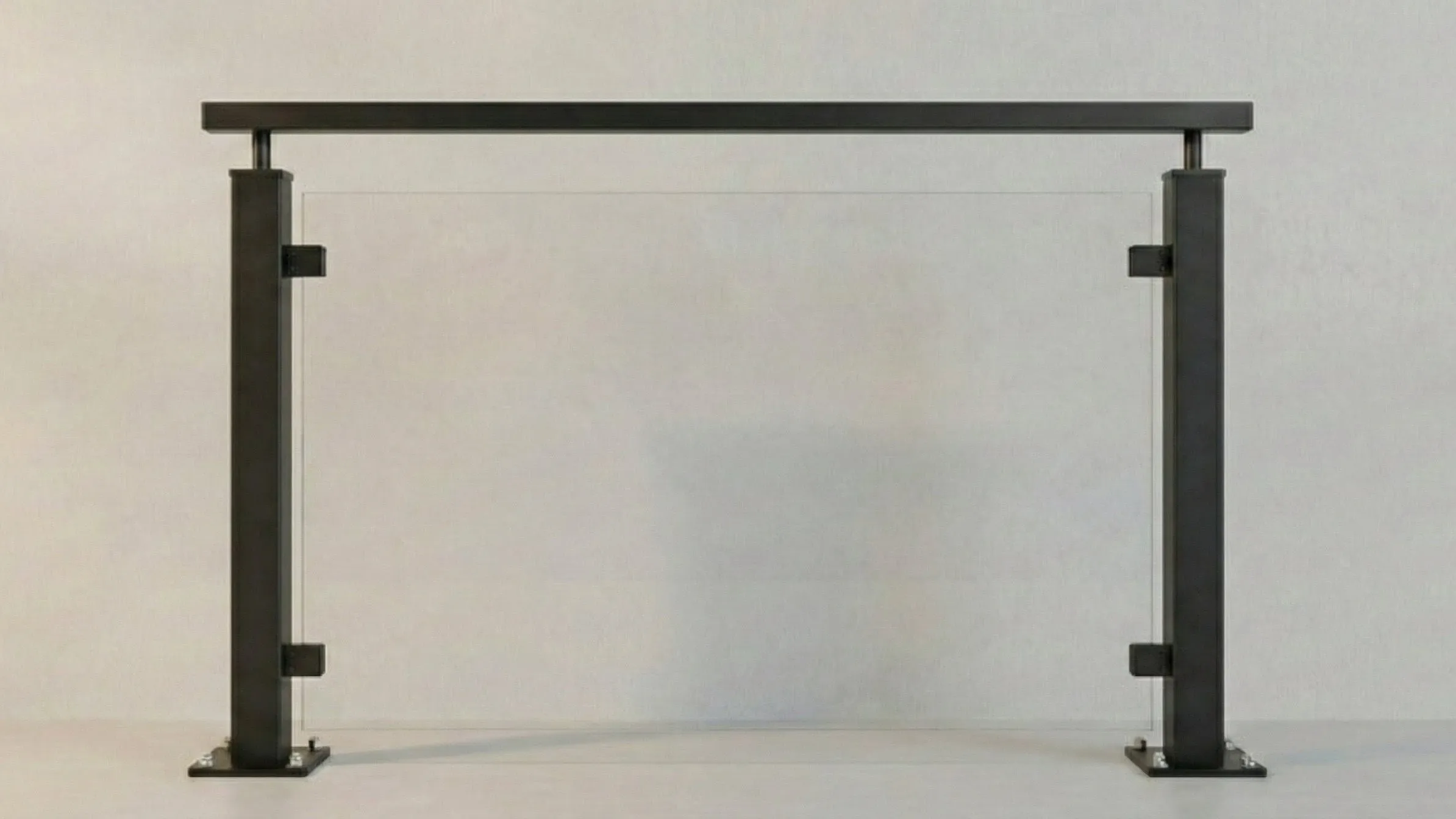
Best when
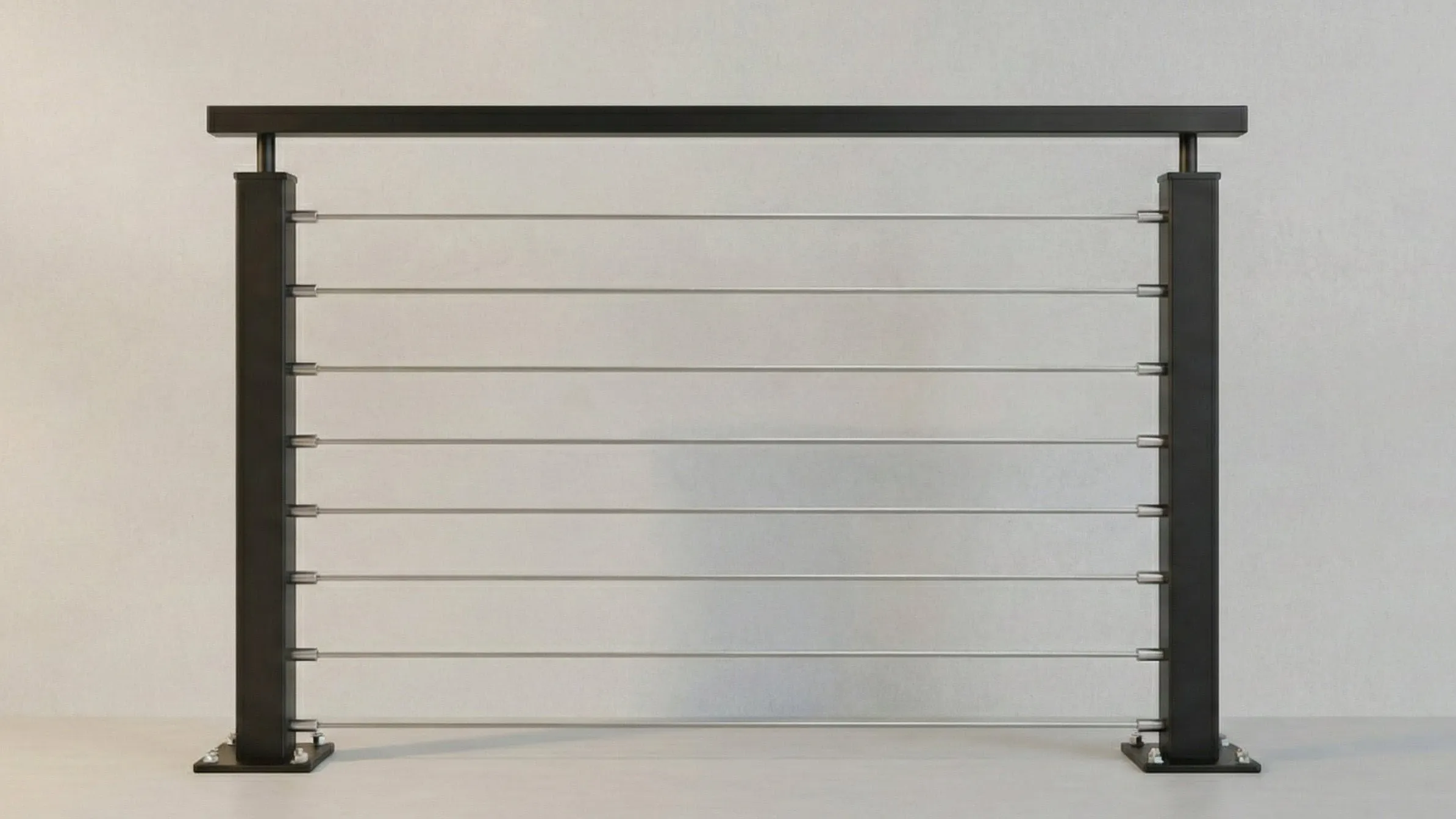
Best when
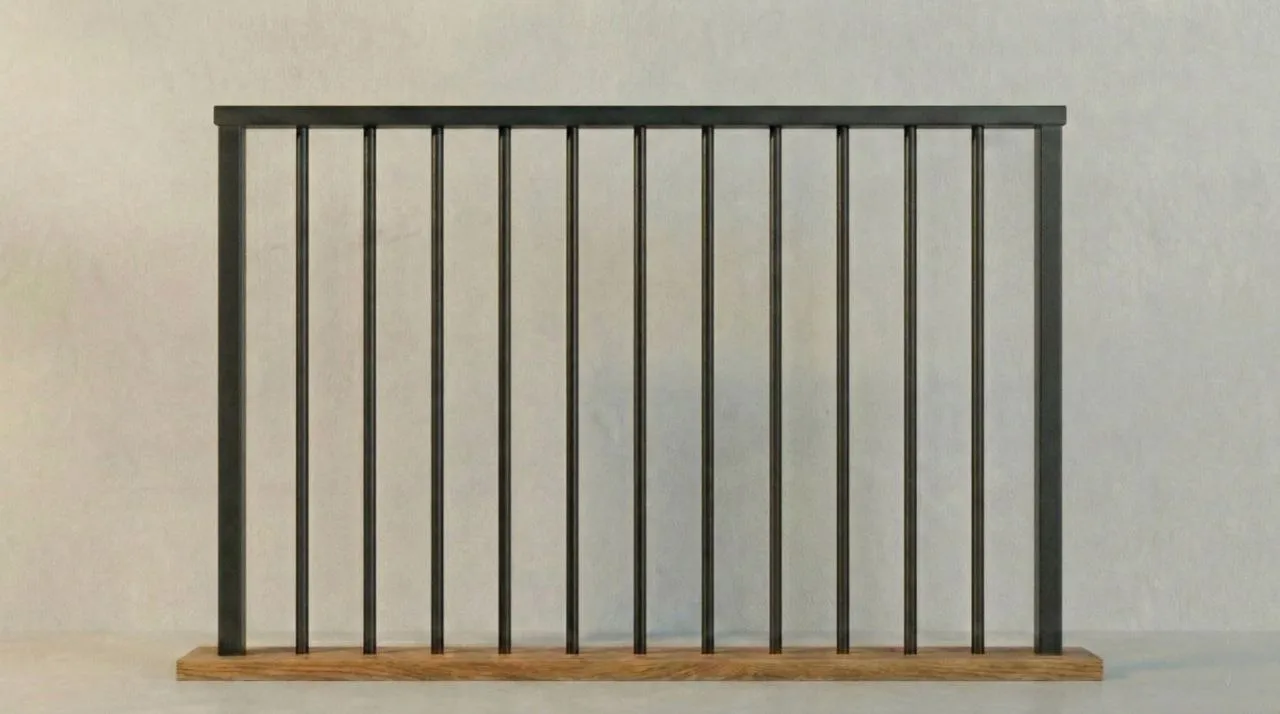
Best when
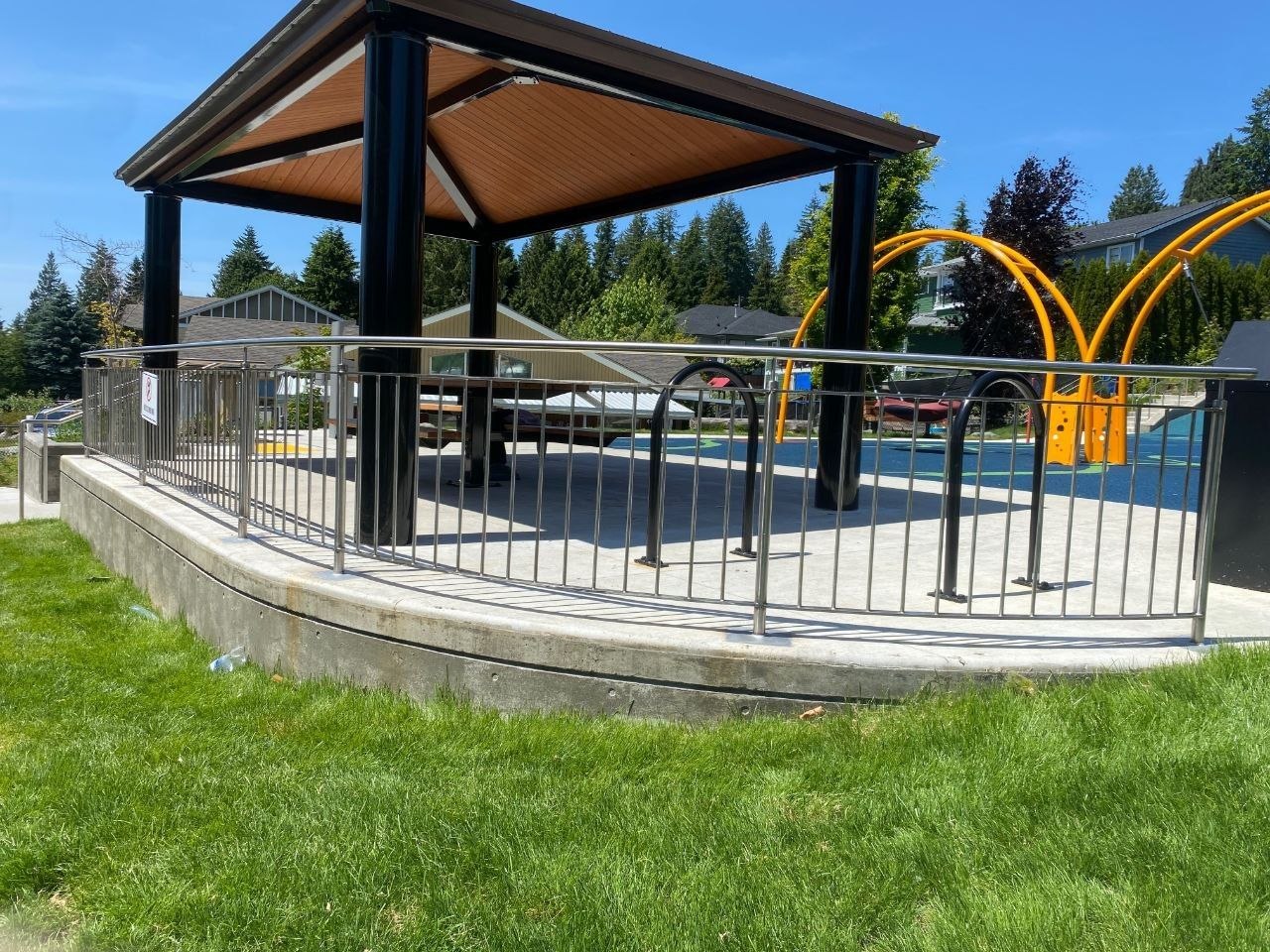
Best when
Best when
Need a continuous grip element for a stair or accessibility? Handrails are a separate service.
A railing direction should start with the actual deck, balcony, stair, or exterior condition — not a kit. LOUEI measures, fabricates, finishes, and installs around real site conditions.
01
A deck edge, balcony slab, stair run, or exterior guard condition should be measured and understood before choosing the system.
02
The railing choice connects to welded frames, finish, hardware, glass / cable / picket details, and installation realities.
03
The same trade logic carries through measurement, fabrication, delivery, and installation.
Each material is good at something — and demands attention to something else. These are the trade-offs LOUEI weighs when narrowing the direction.
For wet spaces, the finish only lasts if the base metal and preparation are right. See our guide to pool handrail materials and custom finishes that last.
Best for
Watch for
Best for
Watch for
Best for
Watch for
Best for
Watch for
Every project starts with a situation and a priority. The system follows.
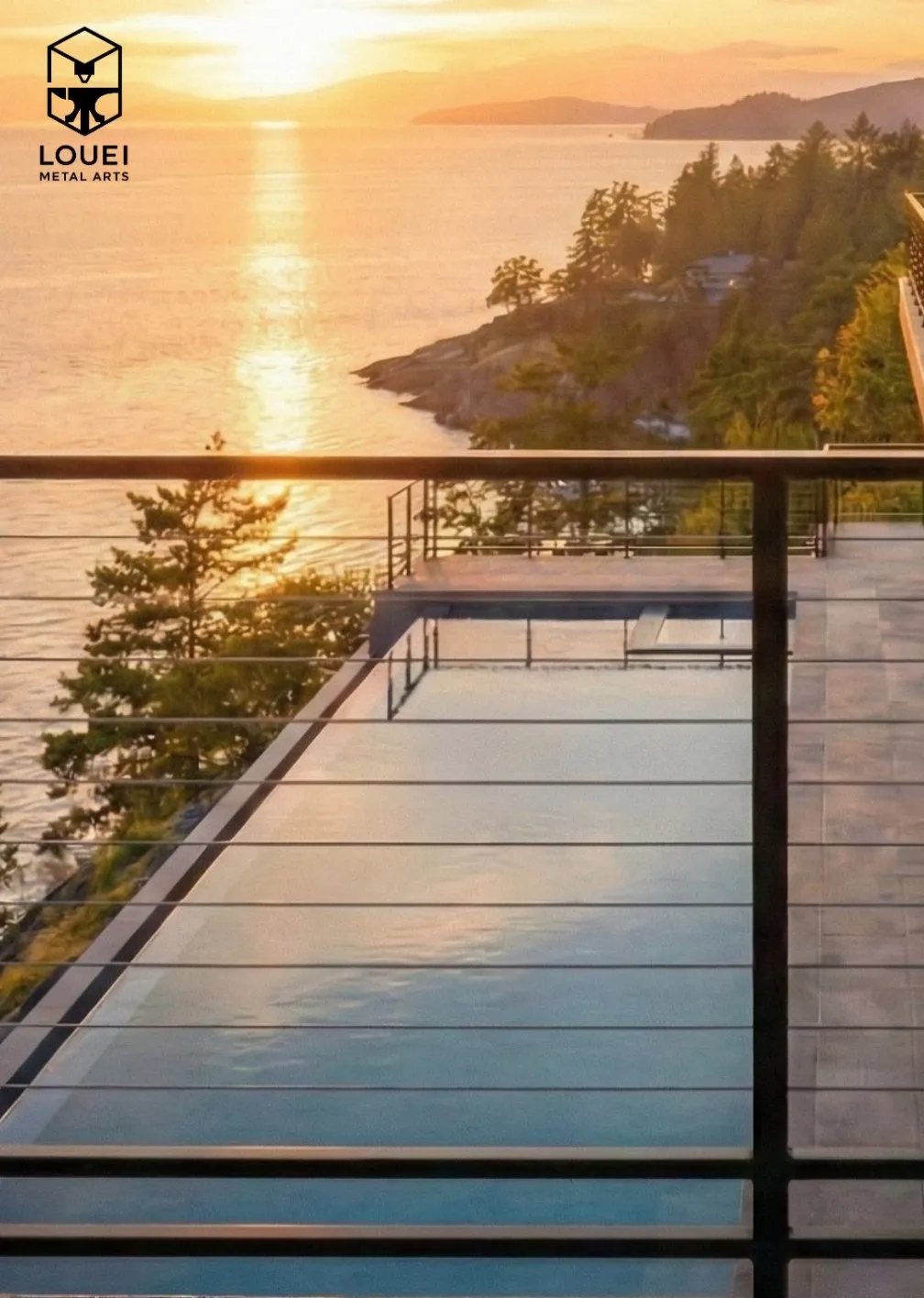
Situation
Outdoor deck with view priority.
Chosen direction
Glass or Cable
Why
Open sightlines mattered more than visual mass.
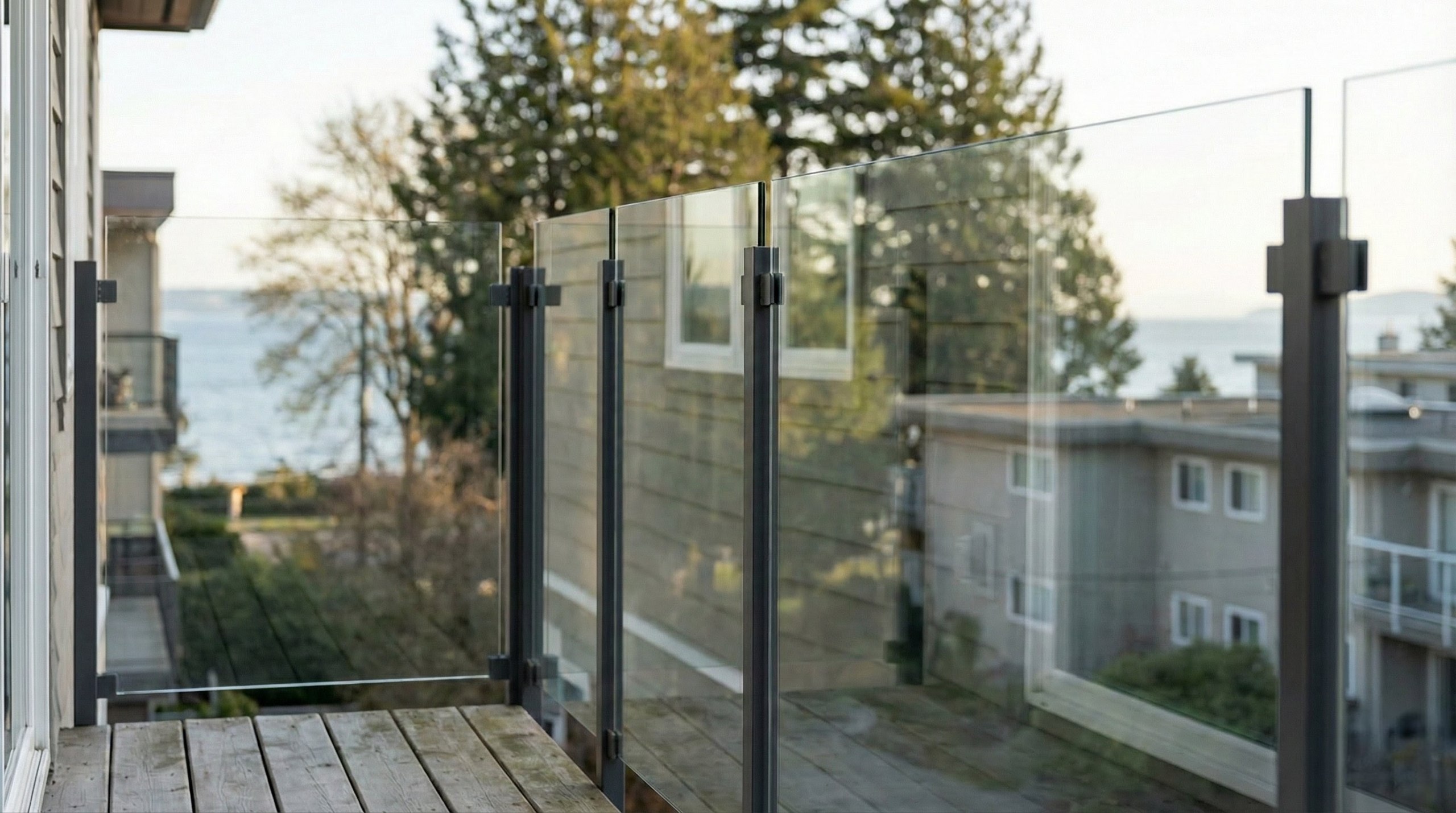
Situation
Upper-level exterior edge or condo balcony.
Chosen direction
Glass / Picket / Aluminum
Why
Needed a safe, clean edge with durable exterior performance — system chosen for exposure and repeatability.
Situation
Interior or exterior stair geometry.
Chosen direction
Glass / Metal / Picket
Why
The railing needed to follow pitch, landings, and site-specific geometry. System followed the geometry.
You do not need to know the railing system yet. Send photos of your deck, balcony, stairs, or exterior area. LOUEI can recommend the right route before the quote becomes technical.
Building in the city? Start with custom railings in Vancouver — or see all service areas across BC.
Start with where the railing goes. Decks, balconies, stairs, interiors, exteriors, commercial sites, and strata projects each have different priorities. LOUEI can review photos and help recommend the right system.
Glass usually gives the clearest view. Cable keeps sightlines open with a lighter profile and more airflow. The best option depends on the deck, balcony, exposure, budget, and maintenance expectations.
Deck railings are usually narrowed down by view, exposure, durability, and finish. Glass is strong for views. Cable is good for openness and airflow. Picket is practical and durable.
Stair railings depend heavily on geometry. Pitch, landings, attachment points, and whether the element is a guard, handrail, or both all affect the right direction.
Commercial and strata work usually requires coordination, repeatable details, access planning, documentation, and phased installation. The best system depends on the building and project management requirements.
Yes. Photos are often the best starting point. Send images of the space, approximate dimensions, and what matters most: view, durability, budget, style, or code / safety.
Yes. LOUEI is fabrication-focused. Railing direction, material, finish, and installation details are planned around real site conditions.
Yes. Guards and railings must be planned around applicable code requirements, site conditions, height, openings, loads, and installation details. LOUEI approaches railing work with code-aware planning.
Primary-source code reference · checked September 24, 2026
These links go to governments, regulators and the original professional or certification bodies—not other railing businesses. Code text, older local bulletins and advisory guidance are labelled separately. This is an editorial source check, not a professional sign-off, product certification or approval of your project.
BC province versus the City of Vancouver
Use BCBC 2024 with its published amendments outside the City of Vancouver, and VBBL 2025 inside the city. Vancouver is not the same jurisdiction as North Vancouver or West Vancouver. Permit dates and transition rules matter. A newer national model code does not automatically replace the locally adopted edition.
Ordinary Part 9 guards; exceptions must be read with the clause
Articles 9.8.8.1, 9.8.8.3 and 9.8.8.5 cover when a guard is required, its height and openings. The usual trigger is a drop over 600 mm within 1.2 m of the walking surface. Default height is 1,070 mm; qualifying residential guards can use 900 mm, including certain exterior guards at no more than 1,800 mm above finished ground. The ordinary required-guard opening rule prevents a 100 mm sphere passing. Exactly 4 inches is 101.6 mm: metric limits control.
Separate Part 9, Part 3, exit and pool conditions
For ordinary Part 9 guards, 9.8.8.6.(1) applies the anti-climb requirement above 4.2 m. At or below 4.2 m, horizontal cable is not prohibited by that clause merely because it is climbable; height, openings, loads and connections still apply. Part 3 clause 3.3.1.18.(4) also says more than one storey. Vancouver exit clause 3.4.6.6.(7) has no 4.2 m exception. Pool fencing is separate. 4.2 m is about 13 ft 9.35 in, not 14 ft.
The whole assembly and its supporting structure
Use the applicable row of Table 9.8.8.2 or Article 4.1.5.14, not one load for every railing. The Part 9 residential top-load row is 0.5 kN/m OR 1.0 kN concentrated, whichever is critical, with 1.5 kN/m vertical and separate infill loading. Handrail loads under 9.8.7.7 differ. Article 9.8.8.2.(2) refers to adjacent vertical elements; it is not a universal horizontal-cable tension test. Cable diameter, post spacing and pretension need system-specific design. Structural steel, aluminium and glass have separate design references in Part 4.
Read the applicable clause and its exceptions, referenced standards and amendments together. The municipal consolidated PDFs are convenience copies; enacted text controls. Proprietary standards are linked through their issuing authorities—we do not claim access to, or reproduce, paywalled standards. Explore the complete topic-by-topic official-source register.